Landscape Design Packages: How to Productize Your Design Services
How to turn landscape design into fixed-price packages: what to include, how to price each tier, and the mistakes that cause scope creep.
Sep 23, 20267 min read
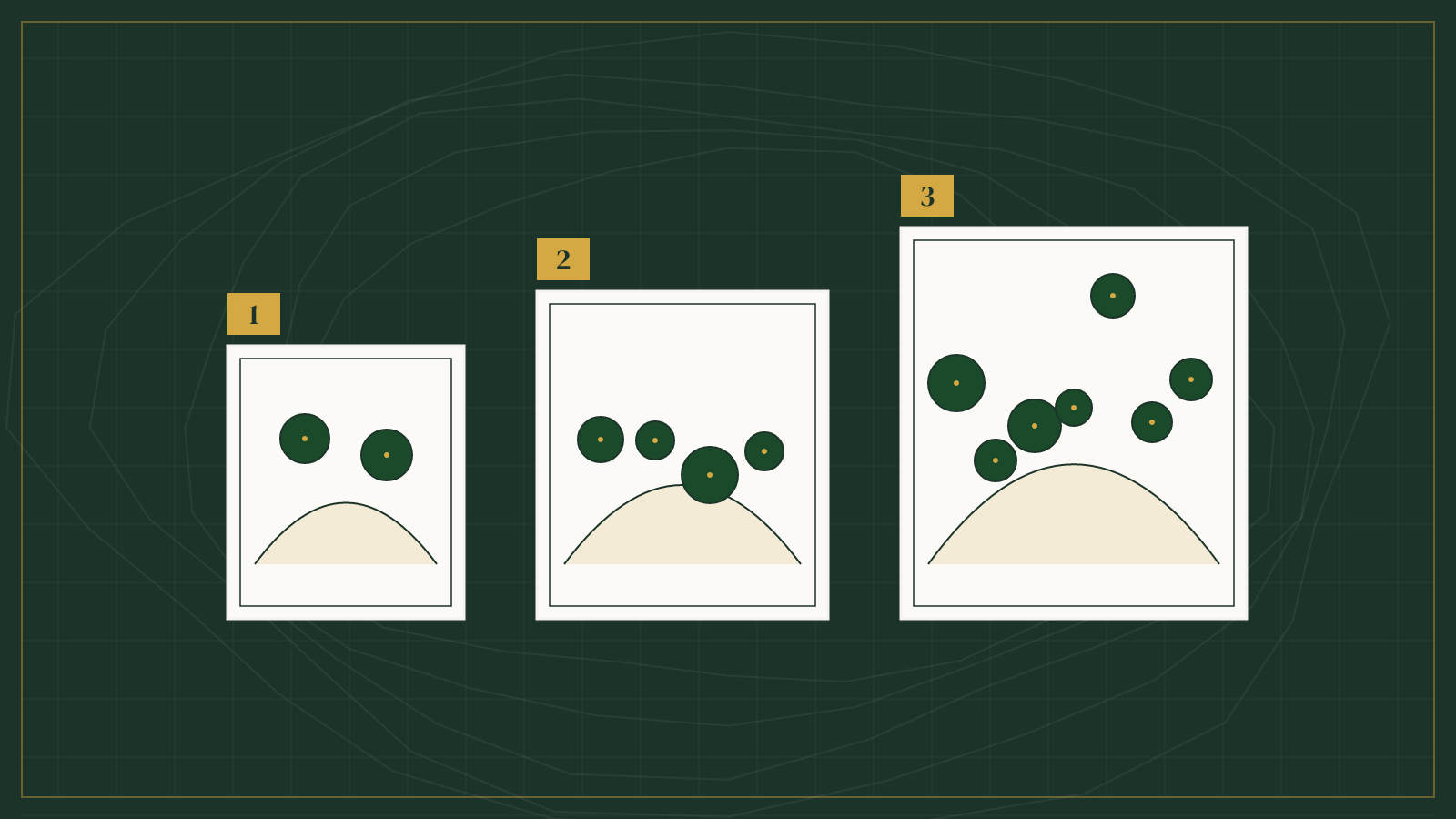
Short answer: A landscape design package is a fixed-price design offer with a defined set of deliverables, a set number of revisions and meetings, and a clear turnaround time. Most residential practices do well with three tiers, such as a paid consultation, a concept plan, and a full design plan, each priced from your real hours and billing rate. Packages make it easier for clients to say yes and make your delivery repeatable.
What is a landscape design package?
A landscape design package turns your design service into a product. Instead of writing a custom proposal for every lead, you offer a short menu where each option has:
- A fixed price
- A defined list of deliverables
- A set number of revision rounds and meetings
- A turnaround time
- Clear exclusions
This is sometimes called productizing your services. The client stops asking "how much will this cost?" and starts asking "which option fits me?"
Why should landscape designers offer packages?
- Faster yes. A clear menu is easier to decide on than an open-ended estimate.
- Less proposal time. You send the same well-written package descriptions instead of drafting from scratch.
- Predictable delivery. Same deliverables, same process, fewer surprises. That consistency is what makes fixed fees profitable.
- Better comparisons. Clients compare your tiers to each other instead of comparing you to the lowest bid.
- Easier to hand off. A defined package is easier to delegate to staff or support with templates and AI tools.
What does a three-tier package menu look like?
Here is an example structure. The prices are illustrative, built from a $110 billing rate. Build yours from your own numbers using our step-by-step pricing method.
| | Design Consultation | Concept Plan | Full Design Plan | |---|---|---|---| | Example price | $250 | $1,800 | $4,500 | | Best for | Homeowners who want expert direction to DIY or plan ahead | Clients who need a clear layout before hiring a contractor | Clients ready to build who want a complete plan | | Site visit | 90-minute on-site walk | Site visit and measurements | Site visit and measurements | | Deliverables | Written recommendations and plant suggestions | Base plan and one scaled concept plan | Concept, final planting and materials plan, plant schedule | | Meetings | On-site only | One presentation | One presentation, one review | | Revisions | None | One round | Two rounds | | Turnaround | Notes within 3 business days | 2 to 3 weeks | 4 to 6 weeks | | Credit toward next tier | Full fee credited within 60 days | Fee credited toward Full Design | n/a |
For reference, consumer cost guides show small project designs at $300 to $600, medium at $700 to $3,000, and large at $3,500 to $9,000, with consultations commonly at $100 to $200 for designers (HomeGuide). Use those ranges to sanity-check your menu, not to set it.
How do you price each package?
- Start from hours. Estimate the hours each package takes, phase by phase, including admin and meetings.
- Multiply by your billing rate and add a 10% to 15% contingency.
- Round to clean numbers. $1,800 reads better than $1,834.
- Anchor with the top tier. A strong top tier makes the middle look reasonable. Most clients choose the middle option when it's positioned as the recommended one.
- Credit the entry tier. Crediting the consultation fee toward a larger package lowers the barrier to starting and rewards clients who move forward.
- Review after every five projects. If actual hours keep beating your estimate, raise the price or trim the scope.
What should every package description include?
Vague packages cause scope creep. Each one should answer these questions in writing:
- What do I get? List the actual drawings and documents.
- How many revisions? A number, not "revisions included."
- How many meetings or site visits?
- How long will it take?
- What isn't included? For example, construction documents, irrigation design, lighting plans, permitting, or construction observation.
- What does extra work cost? Your hourly rate for anything beyond the package.
What add-ons can you offer?
Add-ons let clients customize without breaking your core packages. Price each one on its own:
- 3D renderings or visualizations
- Irrigation plan
- Lighting plan
- Hardscape construction details
- Additional revision rounds
- Contractor bid review
- Site visits during installation
How should you name and present packages?
- Name them by outcome, not size. "Concept Plan" and "Full Design Plan" tell clients what they get. "Bronze, Silver, Gold" doesn't.
- Mark the middle tier as recommended if it is the best fit for most of your clients.
- Keep it to three. More options slow decisions.
- Present packages after you qualify the client, not in a cold email. Our client qualification guide covers what to screen for first.
Common package mistakes
- Unlimited revisions. Always set a number.
- Too many tiers. Three is usually enough.
- Deliverables described as feelings. "A beautiful plan" isn't a deliverable. "Scaled planting plan with plant schedule" is.
- Pricing below your minimum. Your smallest paid tier should still cover a site visit, a meeting, and admin. See How to Set a Landscape Design Minimum Fee.
- Never updating prices. Packages should get re-priced as your costs and demand change.
Key takeaways
- A package is a fixed price plus defined deliverables, revisions, meetings, turnaround, and exclusions.
- Three outcome-named tiers work for most residential practices.
- Price each tier from real hours and your billing rate, then round and anchor.
- Put exclusions and your extra-work rate in every package.
Frequently asked questions
What should be included in a landscape design package?
A fixed price, a list of specific deliverables, the number of revision rounds, the number of meetings or site visits, a turnaround time, clear exclusions, and your rate for additional work.
How many landscape design packages should I offer?
Three is enough for most residential practices: an entry option such as a paid consultation, a mid-tier concept plan, and a full design plan. More options tend to slow down decisions.
How much should a landscape design package cost?
Price each package from your own billing rate and the hours it takes. For market context, consumer cost guides show small designs at $300 to $600, medium designs at $700 to $3,000, and large designs at $3,500 to $9,000.
Should I credit the consultation fee toward a design package?
Many designers do. Crediting the consultation fee toward a larger package within a set time, such as 60 days, lowers the barrier to starting and encourages clients to move forward.
Are packages better than custom quotes?
For repeatable residential work, usually yes. Packages speed up decisions and make delivery predictable. Keep custom quotes for large or unusual projects that don't fit your menu.
Sources
- HomeGuide, How Much Does Landscape Design Cost?
Example package prices are illustrative. Build your own from your billing rate and tracked hours.
Andrew Wasef
Founder, Yard Genius Network
My background is in landscape architecture and landscape design, and I have years of experience in marketing. Most design practices are strong on the first and thin on the second. Yard Genius Network is where I bridge the two: pricing, proposals, positioning, and the systems that turn good design work into a profitable practice.
Keep reading
PricingSep 23, 20267 min read
How to Set a Landscape Design Minimum FeeHow to calculate a landscape design minimum fee, where to state it, and what to say to small-project leads without losing good clients.PricingSep 23, 20268 min read
Landscape Architect Hourly Rate vs Fixed Fee: Which Should You Use?When to bill hourly, when to charge a fixed fee, and the hybrid structures most landscape practices actually use.PricingSep 23, 20268 min read
How to Price Landscape Design: A Step-by-Step Method With a Worked ExampleA step-by-step way to price landscape design: find your billing rate, estimate hours by phase, add contingency, and turn it into a fixed fee. With a worked example.
Turn this into a system.
Join Yard Genius Network, the free Skool community where landscape designers and architects work through pricing, proposals, and the systems behind a profitable practice.