Landscape Architect Hourly Rate vs Fixed Fee: Which Should You Use?
When to bill hourly, when to charge a fixed fee, and the hybrid structures most landscape practices actually use.
Sep 23, 20268 min read
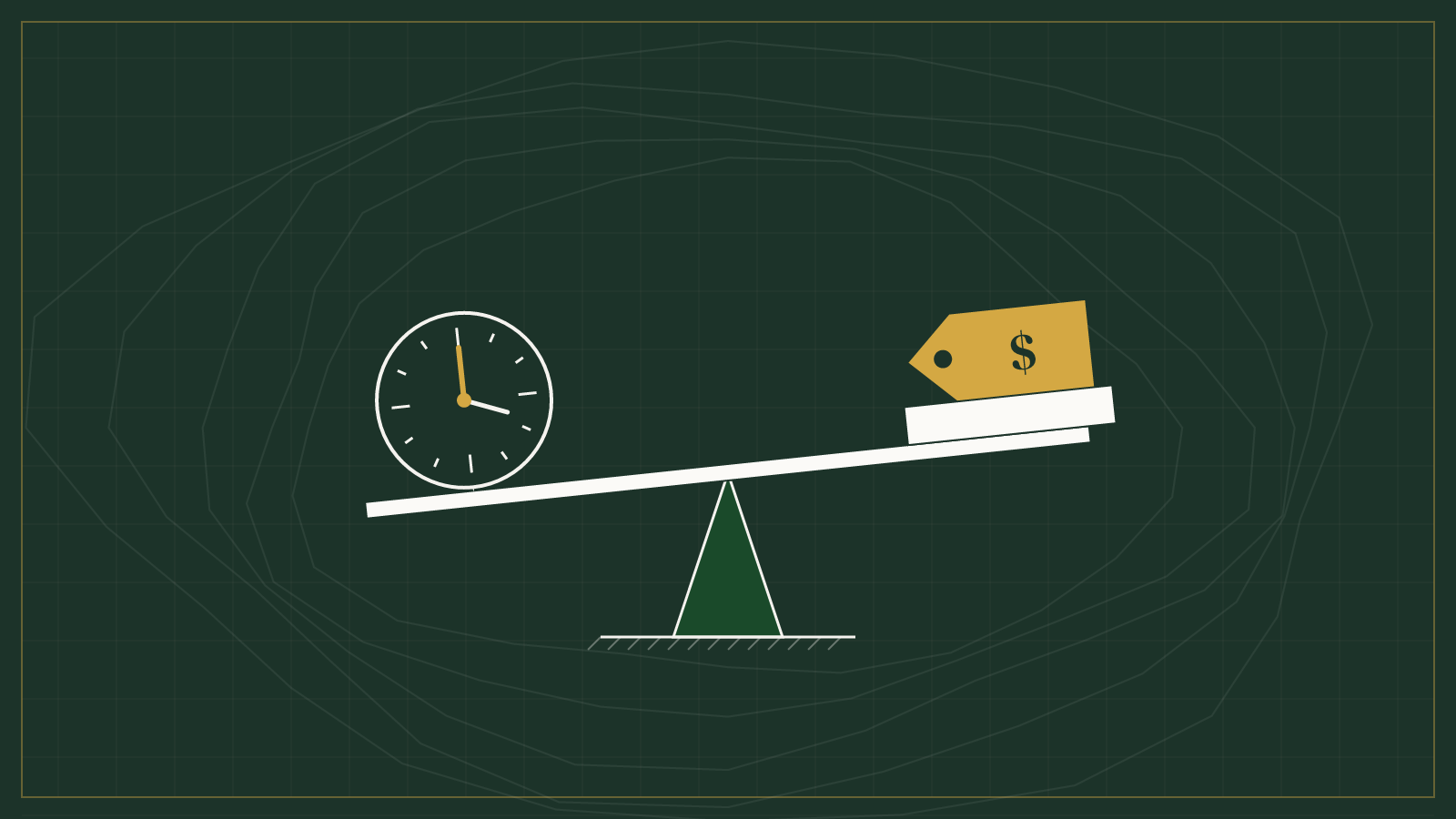
Short answer: Use a fixed fee when you can define the scope and deliverables before you start. Use an hourly rate when you can't: consultations, open-ended revisions, and construction observation. Most profitable practices combine the two, charging a fixed fee for the design itself and hourly for anything outside the agreed scope, sometimes with a not-to-exceed cap. Cost guides currently put licensed landscape architects at roughly $100 to $250 per hour and landscape designers at roughly $50 to $150.
The choice is less about which model is better and more about who carries the risk when the project changes.
A quick note on titles
"Landscape architect" is a licensed title. According to the U.S. Bureau of Labor Statistics, every state requires landscape architects to be licensed, usually after a degree, supervised experience, and a licensing exam. Landscape designers work without that license on many residential projects. The pricing models in this article work the same way for both.
What is the difference between hourly and fixed fee pricing?
- Hourly: the client pays for the time you spend, at an agreed rate. The bill rises and falls with the work.
- Fixed fee: the client pays one agreed price for a defined scope and set of deliverables, no matter how long it takes you.
| Factor | Hourly rate | Fixed fee | |---|---|---| | Client's price certainty | Low | High | | Who carries the risk of overruns | Client | You | | Rewards you for working faster | No | Yes | | Admin burden | Time tracking and detailed invoices | Clear scope and change orders | | Easiest to sell | Existing clients who trust you | New clients comparing options | | Best for | Undefined or ongoing work | Defined design deliverables |
When does an hourly rate make sense?
Hourly billing protects you when you can't see the end of the work. Use it for:
- Consultations and site walks. Short, variable, and hard to scope in advance.
- Discovery on unclear projects. When the client doesn't know what they want, bill a small hourly phase to define it, then fixed-fee the design.
- Construction observation and site visits. Contractor schedules, weather, and field changes are outside your control.
- Revisions beyond the included rounds. Your fixed fee covers a set number. Everything after that is hourly.
The downside: many clients fear an open-ended bill, so hourly can slow down a first-time sale. It also caps your income at your hours. The faster and better you get, the less you earn per project.
When does a fixed fee make sense?
A fixed fee works when you can write down exactly what the client gets. Use it for:
- Standard residential design. Base plan, concept, revisions, planting plan.
- Repeat project types. If you've done 20 similar backyards, you know the hours.
- Clients who need a firm number to decide or to get approval from a partner.
The upside is real: clients say yes faster to a clear price, and every efficiency you build, from templates to a plant library to AI-assisted drafting, goes straight to your margin. The risk is underestimating. That's why a fixed fee always needs a written scope, a revision limit, and a rate for extra work. Our step-by-step pricing method shows how to build a fixed fee from your hourly rate so you don't guess.
What hybrid pricing structures do firms use?
Pure hourly and pure fixed fee are the two ends. Most practices land somewhere in between.
- Fixed fee for design, hourly for everything else. The most common structure for residential work. The design is predictable; construction-phase work is not.
- Hourly with a not-to-exceed cap. You bill hourly, but agree the total won't pass a set amount without the client's approval. The client gets a ceiling, and you still get paid for time if the project stays small.
- Phased fixed fees. Price each phase separately: concept, design development, construction documents. The client commits one phase at a time, and you re-scope as you learn more.
- Percentage of construction cost. Common on larger projects where the design team stays involved through construction. Cost guides report 5% to 20% for landscape architects who oversee installation (HomeGuide).
- Packages. Fixed fees productized into tiers. See Landscape Design Packages.
How do you convert your hourly rate into a fixed fee?
The fixed fee should still come from your hourly math. You just don't show the math to the client.
Fixed fee = billing rate x estimated hours x (1 + contingency)
Example: $110 per hour x 36 estimated hours x 1.15 contingency = $4,554, presented as a $4,500 design fee. Then write down what it includes, how many revisions, and your hourly rate for anything beyond that.
What should the agreement spell out?
Whichever model you use, put these in writing:
- Deliverables: exactly what the client receives
- Revision rounds: how many are included
- Meetings and site visits: how many are included
- Additional services rate: your hourly rate for anything beyond scope
- Exclusions: construction documents, permitting, irrigation design, or construction observation if not included
- Payment schedule: for example, a deposit up front and the balance at key milestones
This protects the fixed fee from creep and makes hourly billing feel predictable. For wording that helps clients say yes, see The Proposal That Closes More Deals. Have an attorney review your contract terms for your state.
Which should you choose?
- New practice, unclear on your hours: bill hourly with a not-to-exceed cap while you track real project hours. Switch to fixed fees once you know your numbers.
- Established practice with repeat project types: fixed fees or packages for design, hourly for construction-phase work.
- Larger or public projects: phased fees or percentage of construction, with hourly for additional services.
Key takeaways
- Fixed fees for defined scope, hourly for undefined work.
- A fixed fee shifts overrun risk to you, so it needs a written scope and revision limit.
- Hybrid structures, especially fixed design plus hourly construction-phase work, are the norm.
- Build every fixed fee from your hourly rate and estimated hours, then present only the fee.
Frequently asked questions
What is the average landscape architect hourly rate?
Consumer cost guides put licensed landscape architects at about $100 to $250 per hour, and landscape designers at about $50 to $150 per hour. Rates vary with experience, region, and project type.
Is a flat fee or hourly rate better for landscape design?
A flat fee is better when you can define the deliverables, because it gives clients certainty and rewards your efficiency. Hourly is better for consultations, construction observation, and other work you can't scope in advance. Many practices use both.
What is a not-to-exceed fee?
A not-to-exceed fee is hourly billing with a cap. You bill for actual time, but the total can't go past an agreed amount without the client's written approval. It gives clients a ceiling while keeping you paid for time on small projects.
How do landscape architects bill for construction administration?
Construction-phase services such as site visits and observation are commonly billed hourly or as a set number of included visits, because contractor schedules and field changes are hard to predict. On larger projects, some firms include them in a percentage-of-construction fee.
Can I switch clients from hourly to a fixed fee?
Yes. Once you have tracked enough projects to know your real hours, offer new clients fixed fees or packages. For existing clients, switch at the start of a new project or phase, not in the middle of one.
Sources
- U.S. Bureau of Labor Statistics, Occupational Outlook Handbook: Landscape Architects (licensing and pay)
- HomeGuide, How Much Does a Landscape Architect Cost?
- HomeGuide, How Much Does Landscape Design Cost?
Andrew Wasef
Founder, Yard Genius Network
My background is in landscape architecture and landscape design, and I have years of experience in marketing. Most design practices are strong on the first and thin on the second. Yard Genius Network is where I bridge the two: pricing, proposals, positioning, and the systems that turn good design work into a profitable practice.
Keep reading
PricingSep 23, 20267 min read
How to Set a Landscape Design Minimum FeeHow to calculate a landscape design minimum fee, where to state it, and what to say to small-project leads without losing good clients.PricingSep 23, 20267 min read
Landscape Design Packages: How to Productize Your Design ServicesHow to turn landscape design into fixed-price packages: what to include, how to price each tier, and the mistakes that cause scope creep.PricingSep 23, 20268 min read
How to Price Landscape Design: A Step-by-Step Method With a Worked ExampleA step-by-step way to price landscape design: find your billing rate, estimate hours by phase, add contingency, and turn it into a fixed fee. With a worked example.
Turn this into a system.
Join Yard Genius Network, the free Skool community where landscape designers and architects work through pricing, proposals, and the systems behind a profitable practice.