How to Price Landscape Design: A Step-by-Step Method With a Worked Example
A step-by-step way to price landscape design: find your billing rate, estimate hours by phase, add contingency, and turn it into a fixed fee. With a worked example.
Sep 23, 20268 min read
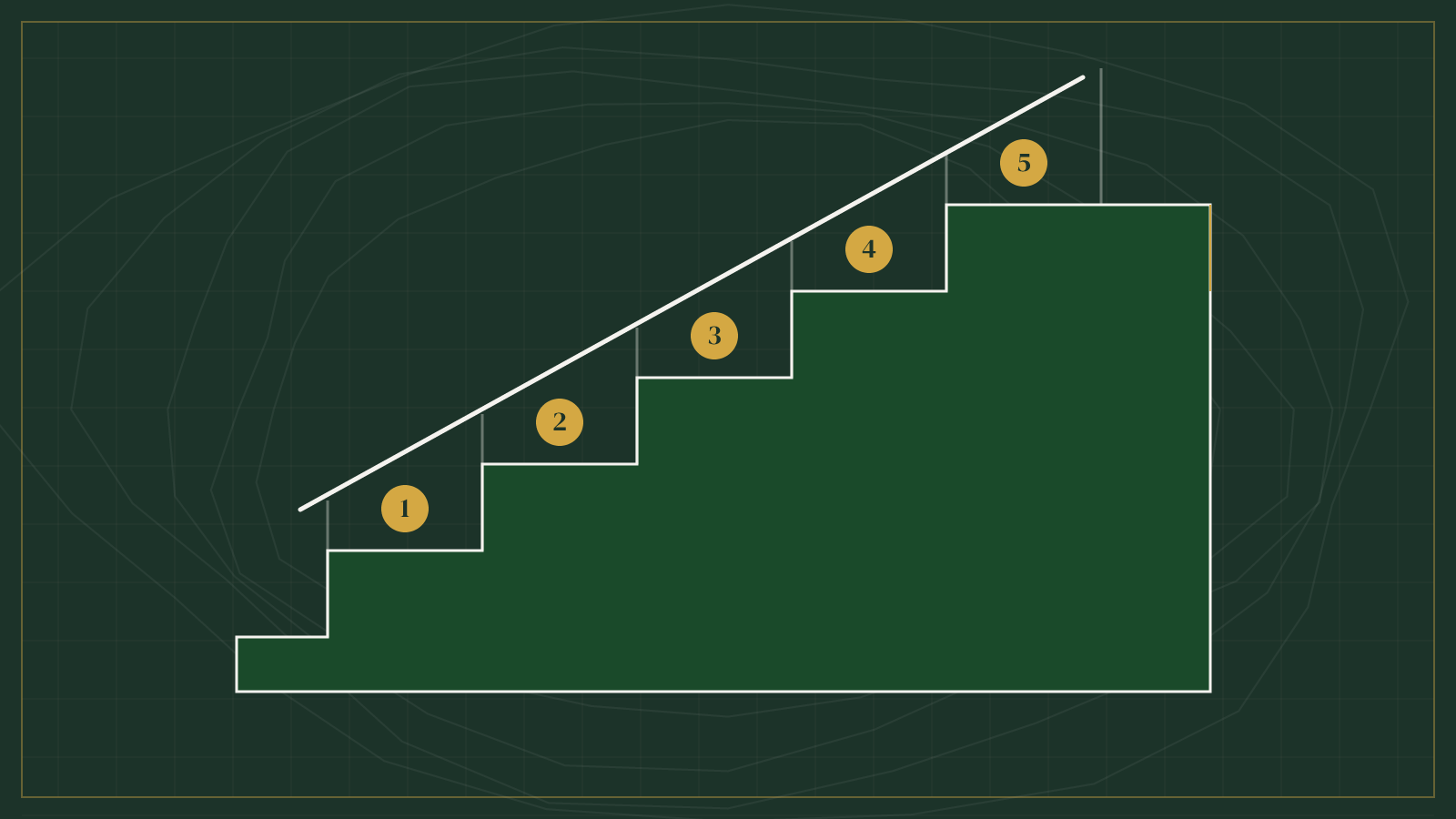
Short answer: To price landscape design, work out what one billable hour costs your business, estimate the hours a project will take phase by phase, add a contingency for the unexpected, multiply, and then check the result against the market before turning it into a fixed fee with a written scope. In the worked example below, that process turns a mid-size residential backyard into a $4,500 design fee.
If you want the big picture on fee models and current market rates first, start with Landscape Design Pricing: Fee Models and What Designers Charge. This article is the math.
Step 1: What does one billable hour cost you?
This is the number most designers skip. Without it, every price is a guess.
Add up what the business needs in a year, then divide by the hours you can actually bill.
- Owner pay. What you want to pay yourself for the year.
- Overhead. Software, insurance, vehicle, phone, marketing, website, continuing education, accounting.
- Billable hours. Not every working hour is billable. Sales calls, proposals, email, bookkeeping, and travel eat time. Many solo designers bill 50% to 65% of the hours they work.
Worked example:
| Item | Amount | |---|---| | Target owner pay | $85,000 | | Annual overhead | $22,000 | | Total annual cost | $107,000 | | Working hours per year (40 hrs x 50 weeks) | 2,000 | | Billable share | 60% | | Billable hours per year | 1,200 | | Cost per billable hour ($107,000 / 1,200) | $89.17 | | Add 20% profit | $107.00 | | Billing rate (rounded) | $110 per hour |
For context, the U.S. Bureau of Labor Statistics reports a 2024 median pay of $79,660 for landscape architects, about $38 per hour. Notice how far that is from a sustainable billing rate. The gap is overhead, non-billable time, and profit. Your numbers will differ, so run them with your own pay target and costs.
Step 2: How many hours will this project take?
Break the project into phases and estimate each one. Estimating the whole job in one number is how hours go missing.
Worked example: a mid-size residential backyard, concept through planting plan.
| Phase | Hours | |---|---| | Site visit and measurements (including drive time) | 3 | | Base plan | 4 | | Concept design | 8 | | Concept presentation meeting | 2 | | Two rounds of revisions | 5 | | Final planting and materials plan | 8 | | Plant schedule and notes | 3 | | Project admin and client email | 3 | | Total | 36 |
Don't forget the last row. Email, scheduling, and small check-ins are real hours, and they are the ones designers most often leave out.
Step 3: Why add a contingency?
Because projects rarely go exactly to plan. A site condition you didn't see, a slow client decision, an extra call with the contractor. A contingency of 10% to 15% covers the normal friction of a project without padding every line.
Worked example: 36 hours x 1.15 = 41.4, rounded to 41 hours.
Step 4: Multiply and round
Multiply your estimated hours by your billing rate, then round to a clean number.
Worked example: 41 hours x $110 = $4,510, rounded to a $4,500 design fee.
Round to a number that is easy to say and easy to read in a proposal. $4,500 lands better than $4,510, and it doesn't change your margin in any meaningful way.
Step 5: Does the price make sense in your market?
Now compare the result to what clients in your area pay. National cost guides put a typical residential design project at roughly $2,200 to $6,180, with an average around $4,200 (LawnStarter). Our $4,500 example sits inside that range.
If your number lands well above the range, check three things before you cut it:
- Is the scope bigger than a typical project? Grading, drainage, lighting, or construction documents add real hours.
- Is your positioning different? Specialized or high-end work supports higher fees.
- Did you overestimate? Compare against your actual hours on past projects.
If your number lands well below the range, you are probably underestimating hours or undercharging per hour. We cover the most common reasons in Why Landscape Designers Underprice.
Step 6: Turn it into a fixed fee with a written scope
Clients buy a result, not an hourly estimate. Present the number as a fixed fee tied to specific deliverables:
- Fee: $4,500
- Includes: site visit, base plan, concept design, one presentation meeting, two rounds of revisions, final planting and materials plan, plant schedule
- Additional revisions or meetings: billed at $110 per hour
- Not included: construction documents, irrigation design, permitting, construction observation (available as add-ons)
The exclusions matter as much as the inclusions. They are what stop a $4,500 project from quietly becoming a $6,000 workload. If you are deciding between presenting a flat fee or an hourly estimate, see Hourly Rate vs Fixed Fee.
Step 7: Track actual hours and adjust
Your first estimates will be off. That's fine, as long as you measure.
Log your real hours by phase on every project. After five or six projects, compare estimate to actual. If concept design always runs 11 hours instead of 8, update your template. This one habit turns pricing from a guess into a system, and it is what lets you build fixed-price packages with confidence.
Common pricing mistakes to avoid
- Using your salary as your rate. It leaves out overhead, non-billable time, and profit.
- Estimating the project as one lump. Phase-by-phase estimates catch the hours you forget.
- Skipping admin time. Email and scheduling add up to hours on every project.
- Leaving revisions open-ended. State the number of rounds and your rate for more.
- Never checking actuals. Without tracking, you repeat the same underestimate forever.
Key takeaways
- Calculate your billing rate from annual cost divided by billable hours, then add profit.
- Estimate hours phase by phase and include admin time.
- Add a 10% to 15% contingency.
- Sanity-check the fee against your market, then present it as a fixed fee with clear inclusions and exclusions.
- Track actual hours so every estimate gets better.
Frequently asked questions
How do I calculate my landscape design hourly rate?
Add your target annual pay and your yearly overhead, then divide by the number of hours you can realistically bill in a year. Add a profit margin on top. Many solo designers can bill only 50% to 65% of their working hours, so use a realistic billable share.
How many hours does a residential landscape design take?
It depends on scope, but a mid-size residential backyard from site visit through planting plan often takes 30 to 45 hours once you include meetings, revisions, and admin. Track your own projects to find your number.
Should I show clients my hourly breakdown?
Usually not. Present a fixed fee tied to deliverables. The hourly breakdown is your internal tool for setting the price. Showing it invites clients to negotiate line by line.
How much contingency should I add to a landscape design estimate?
A contingency of 10% to 15% covers normal project friction such as slow decisions or an extra call. If a project has known unknowns, like unclear site conditions, price a discovery phase first instead of adding a larger buffer.
What if my calculated price is higher than competitors?
Check whether your scope is larger than theirs and whether your hour estimates match your past projects. If both hold up, the price is right for your costs. Compete on clarity and results rather than cutting a fee that already reflects what the work takes.
Sources
- U.S. Bureau of Labor Statistics, Occupational Outlook Handbook: Landscape Architects (2024 median pay)
- LawnStarter, How Much Does Landscape Design Cost?
The worked example uses illustrative numbers. Replace them with your own pay target, overhead, and tracked hours.
Andrew Wasef
Founder, Yard Genius Network
My background is in landscape architecture and landscape design, and I have years of experience in marketing. Most design practices are strong on the first and thin on the second. Yard Genius Network is where I bridge the two: pricing, proposals, positioning, and the systems that turn good design work into a profitable practice.
Keep reading
PricingSep 23, 20267 min read
How to Set a Landscape Design Minimum FeeHow to calculate a landscape design minimum fee, where to state it, and what to say to small-project leads without losing good clients.PricingSep 23, 20267 min read
Landscape Design Packages: How to Productize Your Design ServicesHow to turn landscape design into fixed-price packages: what to include, how to price each tier, and the mistakes that cause scope creep.PricingSep 23, 20268 min read
Landscape Architect Hourly Rate vs Fixed Fee: Which Should You Use?When to bill hourly, when to charge a fixed fee, and the hybrid structures most landscape practices actually use.
Turn this into a system.
Join Yard Genius Network, the free Skool community where landscape designers and architects work through pricing, proposals, and the systems behind a profitable practice.